
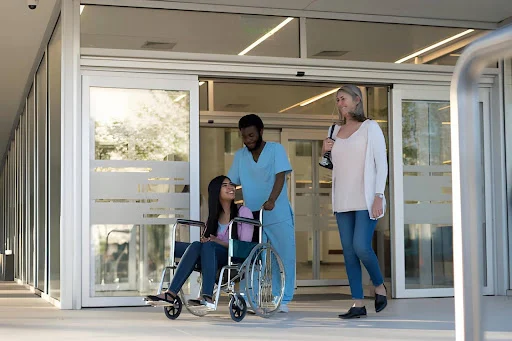
Have you ever felt confused and worried about what happens after you leave hospital? Leaving hospital is an important step, but it can also feel overwhelming, especially for people with disabilities or complex support needs. There may be many things to organise, including equipment, support services, appointments, and ongoing care before returning home or moving to new accommodation.
NDIS support after hospital discharge helps make this transition safer and less stressful. With the right planning and support, participants can leave hospital knowing the services they need will be ready when they arrive home.
This guide explains how NDIS support after hospital discharge works, the role of a support coordinator, and how effective planning can help make the transition from hospital to home as smooth as possible.
What Is Hospital Discharge Planning and Why Does It Matter
Hospital discharge planning is the process of preparing for a safe transition from hospital to home or another suitable place. It usually begins before you are ready to leave the hospital so there is enough time to organise the supports and services you will need.
The plan looks at where you will live, the care and equipment you may need, and who will support you with everyday activities after you leave hospital. Good planning helps make sure everything is in place before you return home.
A support coordinator works with the hospital team, the participant, and their family to help organise these arrangements. With the right planning, the home can be safer, smoother, and less stressful.
Why Leaving Hospital With a Disability Can Feel Overwhelming
Leaving hospital is an important time, but it can also feel overwhelming for people with disabilities. You may be returning to a home that is not fully prepared, or your usual supports may have changed while you were in hospital.
Some people do not have family or friends available to help, and organising services can be difficult. It is also common for information between the hospital and the NDIS to be delayed or incomplete, which can make the transition more stressful.
This is why coordinating supports after hospitalisation is so important, and for participants with psychosocial disability, understanding the NDIS psychosocial recovery coach role can also help identify additional support during this transition. A support coordinator helps organise services, communicate with providers, and make sure the right supports are ready, so you do not have to manage everything on your own.
How a Support Coordinator Helps With the Transition
Transitioning home from hospital is easy when a support coordinator is involved early in the process. Here are some of the key ways they help:
Talking to the Hospital Team
A support coordinator works with hospital staff, including doctors, nurses, and social workers. They make sure everyone understands your support needs before you leave the hospital.
Reviewing Your NDIS Plan
Your coordinator checks your NDIS plan to see what funding and supports are available. If extra support is needed, they can help you prepare for a plan review or discuss changes with the NDIA.
Setting Up Home Modifications
If your home needs changes such as ramps, grab rails, or a hospital bed, the support coordinator helps arrange them. The goal is to have everything ready before you return home.
Booking the Right Services
Your coordinator organises the services you need, such as personal care, therapy, nursing, or allied health appointments. They coordinate with providers so your supports can begin on time.
Creating a Safe Plan for Day One
Before you leave hospital, your support coordinator helps create a clear plan for your first days at home. You will know what supports are in place, who will be visiting, and when they will arrive, making the transition smoother and less stressful.
What Is Discharge Support Coordination and Who Can Access It
Discharge support coordination helps people move safely from hospital back into the community. If you have Level 2 Coordination of Supports or specialist support coordination included in your NDIS plan, your coordinator can help organise the services and supports you need before you leave hospital.
In some cases, the hospital’s social work team can also help connect you with a support coordinator during the discharge process. If you do not yet have an NDIS plan, they can explain your options and help you understand what supports may be available.
The aim is to make the transition from hospital to home as smooth as possible. With the right support in place, you can return home with confidence, knowing your care and services are ready when you need them.
NDIS Support After Hospital Discharge Explained
NDIS support after hospital discharge is support that is funded through your NDIS plan and used to help you move from hospital back into your life in the community. This can include a wide range of things depending on your situation and what your plan includes.
- Support coordination: A support coordinator helps organise your services and makes sure your supports work together after you leave hospital.
- Personal care supports: Funding can cover assistance with daily activities such as showering, dressing, meal preparation, and personal care.
- Assistive technology: Your NDIS plan may fund equipment and assistive devices needed to support your safety, mobility, and independence.
- Therapeutic supports: Allied health services, including occupational therapy, physiotherapy, and speech therapy, can be arranged to support your recovery and may be funded through capacity building budgets in your NDIS plan.
- Accommodation support: If returning home is not suitable, your coordinator can help explore short-term or long-term accommodation options.
How the Hospital and NDIS System Work Together
The hospital system and the NDIS have different processes, and it can sometimes be difficult to coordinate both. A support coordinator understands how these systems work and helps make the transition from hospital to home easier.
They can communicate with hospital staff, attend meetings, help prepare information for the NDIA, and gather the evidence needed if your NDIS plan needs to be updated after your hospital stay. This is especially important for people whose support needs have changed, and for those with psychosocial disabilities, recovery coaching can provide additional guidance during this period.
By working with both the hospital and the NDIS, a support coordinator helps make sure your services continue without unnecessary delays. This means you can focus on your recovery while someone else helps manage the coordination and paperwork.
How Hyre Support Coordination Can Help You Right Now
Hyre Support Coordination provides reliable NDIS support after hospital discharge to help participants transition home safely and confidently. Our team works closely with hospitals, families, and service providers to make sure the right supports are in place before you leave hospital.
We take the time to understand your needs and coordinate services that support a smooth recovery at home. Reach out today to learn how we can help make your hospital discharge easier.