Struggling to plan a stable and independent life with your NDIS support?
Many participants are not fully sure about how to turn their funding into a practical lifestyle plan. A good plan is not just about services; it’s about daily life, independence, and meaningful participation.
This lifestyle planning NDIS guide explains how to structure your supports, so they actually improve how you live, not just what you receive.
What Is Lifestyle Planning Under NDIS?
Lifestyle planning means organising your NDIS supports around your real-life goals. It focuses on how you live each day, your routine, social life, and long-term progress. Instead of just listing services, lifestyle planning NDIS connects funding with outcomes like:
- Living independently
- Building social confidence
- Learning practical life skills
- Staying active in the community
For example, instead of simply adding “support worker hours,” a lifestyle plan asks: What will those hours help you achieve? Cooking? Going out? Managing your home?
Key Areas Covered in Lifestyle Planning
- Daily Living Skills
This includes activities such as cooking meals, maintaining personal hygiene, managing household tasks, and using transport.
Example: A participant who struggles with cooking might receive support to learn basic meal preparation over time instead of relying completely on carers
- Social and Community Participation
Isolation is a common issue for people with disabilities. Community participation support helps you stay connected and active.
What does this support include?
- Attending social events
- Joining hobby groups
- Taking part in fitness or recreational activities
- Volunteering or part-time work
Use case:
Someone interested in art may join a local class, which improves both skills and social interaction.
- Independent Living Planning
Independent living helps participants live with more freedom and less dependency. It includes building essential life skills like managing daily routines, handling finances, cooking, and maintaining a safe home environment. With the right support, participants can gradually take control of their daily lives and make independent decisions with confidence.
- Goal Setting and Progress Tracking
Lifestyle planning is not random; it’s goal-oriented. You can set short-term goals (e.g., cooking one meal independently). Long-term goals (e.g., living independently). Tracking progress helps you stay motivated and adjust your plan when needed.
How NDIS Supports Lifestyle Planning
NDIS provides funding under different categories to support your lifestyle goals.
- Capacity Building Supports
Capacity Building is not just a category; it’s the foundation of long-term success. These help you develop skills over time, such as life skills training, decision-making support, and confidence building. These skills aim to improve your ability to communicate better, manage daily tasks, and handle money. Over time, achieving these capacity building goals reduces reliance on support services and promotes long-term independence.
2. Core Supports
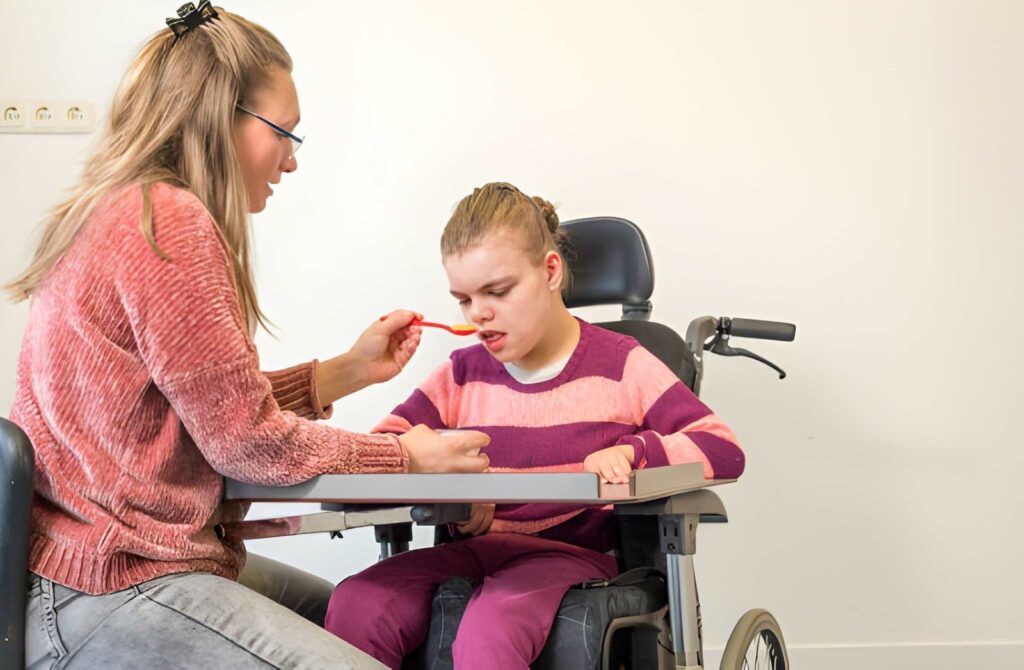
Core supports assisting with daily activities, personal care, household help, and community access.
What Core Supports Include:
- Assistance with personal care such as bathing, dressing, and grooming.
- Household tasks like cleaning, laundry, and meal preparation.
- Support to attend appointments, social activities, or community events.
- Transport assistance to help you get around safely and independently.
By using Core Supports effectively, participants can maintain a stable daily routine and focus on building other skills. These supports are flexible and can be adjusted as your needs change, ensuring you continue to live as independently as possible.
3. Support Coordination
Support Coordination helps you make sense of your NDIS plan and connect with the right services. Many participants don’t use their funding effectively because they don’t know how. A Support Coordinator bridges that gap.
What does a Support Coordinator do?
- Helps you understand your plan
- Connects you with service providers
- Assists in problem-solving
- Adjust supports when needed
Tip: Use support coordination early, especially if you’re new to NDIS.
How to Build a Strong Lifestyle Plan
A good plan is practical, not theoretical. Here’s how you can build one:
- Start with your daily routine: Look at your day: What do you struggle with? Where do you need support?
- Set realistic goals: Avoid vague ideas. Be specific and measurable.
- Match supports with goals: Every support should serve a purpose.
- Track progress: Review what’s working and what’s not.
- Adjust when needed: Your plan should evolve as your skills improve.
This is how lifestyle planning NDIS works in real life: step-by-step progress, not instant change.
When Should You Update Your Plan?
You should review your lifestyle plan when:
- Your goals change
- A service is not helping
- You gain new skills
- Your funding gets renewed
Regular updates keep your plan relevant and useful.
Common Mistakes in NDIS Lifestyle Planning
Many participants face the same issues. Avoid these:
1. Focusing only on funding: Money alone doesn’t improve your life; it’s how you use it.
2. Ignoring long-term goals: Short-term help without skill-building creates dependency.
3. Overloading the plan: Too many services can become overwhelming.
4. Lack of structure: Without a routine, support loses impact.
5. Not asking questions: If you don’t understand your plan, you won’t use it properly.
When used properly, lifestyle planning NDIS connects all these supports into one clear direction.
Work With the Right Support Team
Planning your life with NDIS doesn’t have to feel confusing. The right guidance can make a big difference. Hyre Coordination works closely with participants to turn their plans into real-life outcomes. Their team focuses on practical support and helping you build independence step by step so your plan actually works for your lifestyle.