
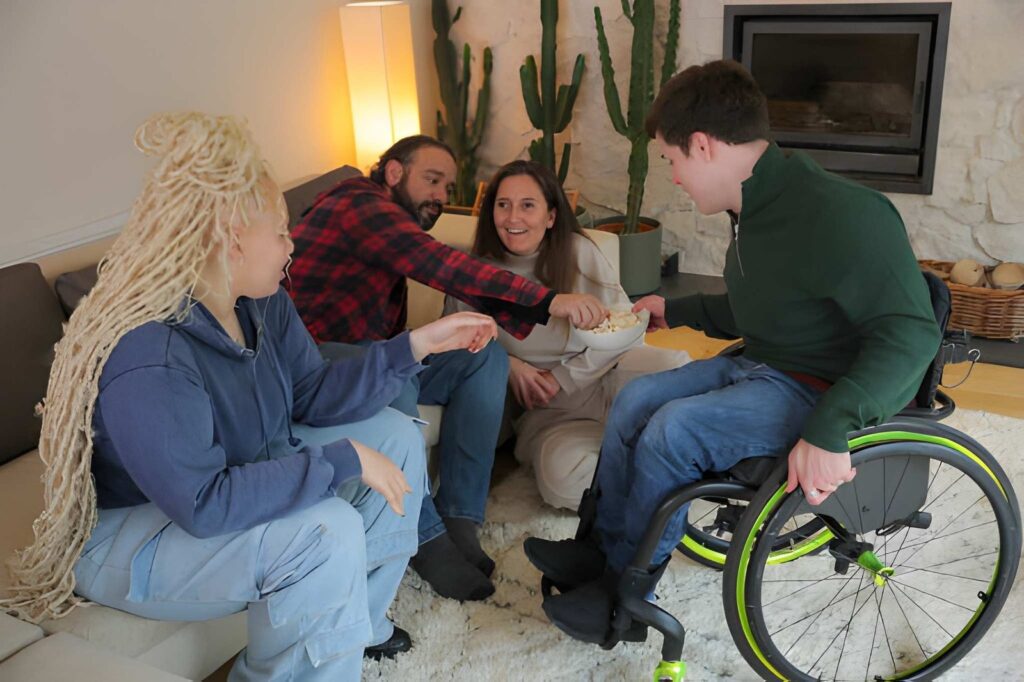
Are you confused about shared living NDIS options? Many participants find it difficult to choose the right home under the NDIS. Lack of clear information leads to wrong decisions. Some people end up in unsuitable housing. Others feel stressed, unsupported, and unhappy. Unclear agreements, poor provider choices, and limited guidance make the process harder. As a result, many participants fail to get the living setup they truly need.
What Is Shared Living Under the NDIS?
Shared living means living in a home with other NDIS participants. You may share common spaces like the kitchen, lounge, and garden. But you still have your own bedroom and personal space. This type of arrangement is often supported by trained staff. They help residents with daily needs and also promote independence and social connection. Many NDIS members choose this option through Shared Living NDIS because by getting this, they don’t lose their freedom and gain the right help while living in a supportive environment.
Who Is Shared Living Suitable For?
The shared living option is not suitable for everyone. It will only suit you if you enjoy living with others, want to build social skills, prefer a structured routine, and feel safer with staff nearby. It is also helpful for families who want peace of mind. They know their loved one is cared for 24/7. However, personal preferences matter a lot because some people prefer living in a quiet place with privacy, while others like living in a community and enjoying spending time with people. Both choices are valid.
Types of Shared Living Arrangements
Not all shared homes are the same. There are different models depending on your needs.
1. Supported Group Homes
These are homes with 2 to 5 residents. Staff are present most of the time.
Support is tailored to each person. This falls under supported accommodation in the NDIS system. It suits people who need regular supervision and help.
2. Supported Independent Living (SIL)
SIL is one of the most common shared living models. Participants live together and share support staff.
Support may include:
- Cooking help
- Cleaning support
- Medication reminders
- Personal care
- Community access
Funding follows strict SIL funding rules set by the NDIS. These rules decide how many staff hours you get and what support is covered.
3. Smaller Shared Homes
Some people live with just one other person. This offers more privacy. It feels more like a family home. It can be a good middle option.
How Does Funding Work?
Funding depends on your individual NDIS plan. It is based on your goals and support needs.
For shared living, funding usually covers support workers, overnight supervision, skill-building programs, and safety systems. It does not usually cover rent or groceries.
These are paid by participants. Your planner or support coordinator can help you apply for the right funding. Always read your plan carefully. Ask questions if something is unclear.
The Role of Supported Independent Living Providers
SIL providers manage shared homes and staff. They focus on respect and dignity, individual choice, safety and wellbeing, cultural sensitivity, and skill development. Before choosing a provider, check their experience, reviews, registration status, staff training, and communication style. A good provider makes a huge difference. Take your time and do not rush this decision.
Living With Housemates: Setting Clear Expectations
Living with others can be rewarding. But it also brings challenges. Different habits. Different personalities. Different routines. That is why housemate agreements for disabilities are so important. These agreements usually cover cleaning duties, noise levels, visitors, shared items, personal space, and conflict resolution. They help avoid misunderstandings, promote respect, and create harmony. Staff often help set these agreements at the start. Review them regularly and update them when needed.
Daily Support in Shared Living
One major benefit of shared housing is the regular support it provides. Most homes provide daily living assistance such as getting dressed, showering, meal preparation, laundry, budgeting, transport, and medication support. This support helps residents stay healthy and confident. It also encourages learning. Over time, many people become more independent. That is a big success.
Building Independence in a Shared Home
Some people worry that shared living limits freedom. In reality, it often does the opposite.
With the right support, you can learn cooking skills, manage money, travel independently, build routines, and improve communication. Many participants use shared living as a stepping stone. Later, they may move into independent housing. This gradual approach builds confidence. It reduces stress. It supports long-term success.
Social Benefits of Shared Living
Living alone is very difficult, especially when you are facing a disability. In such conditions, shared living reduces isolation and gives you companionship, where you can sit and eat together with people who share similar experiences, go on group outings, and celebrate together. Friendships often grow naturally. Living together also creates shared memories.
Challenges in NDIS Shared Living Arrangements
Shared living is not perfect. It has challenges too.
Some common ones include:
- Personality clashes
- Different lifestyles
- Limited privacy
- Staff changes
- Communication issues
The good news is that most of these challenges can be managed. Regular house meetings help everyone share their thoughts. Support coordinators and providers can step in when needed. If something is not working, changes can be discussed, and solutions can be found.
Remember, you are not stuck forever. If a living arrangement does not suit you, there are other options available. The goal is to find a place where you feel comfortable, supported, and happy.
How Families Can Support the Process
Families play a major role in successful shared living. They attend their loved one’s planning meetings, visit regularly, and give feedback. If something is not working well, families should speak up early. This helps solve small problems before they become big ones. At the same time, families should encourage independence. Letting their loved one make daily choices, learn new skills, and take responsibility builds confidence and self-esteem. Balance is very important. Support your loved one, but avoid being over-controlling. Trust the support system. Allow them to grow, learn from mistakes, and enjoy their independence.
Is Shared Living Right for You?
Choosing shared living is a big decision. It affects daily life, comfort, and happiness. For many people, shared living NDIS offers safety, support, community, growth, and confidence.
It is not about giving up independence. It is about gaining the right tools. With good planning and the right provider, it can be a wonderful experience.
Final Thoughts
Understanding shared living takes time and careful thought. It is important to have the right information and professional guidance. Rushing the process can lead to choices that may not suit your long-term needs. When planned properly, shared living NDIS can truly open new doors. It helps people build meaningful friendships, develop important life skills, and improve their overall wellbeing. Before choosing a home, take your time. Ask as many questions as you need. Visit different houses. Talk to providers, staff, and current residents if possible.
At Hyre Coordination, we support individuals and families by helping them understand their options, connect with trusted providers, and choose the right living arrangement for their goals and lifestyle.