

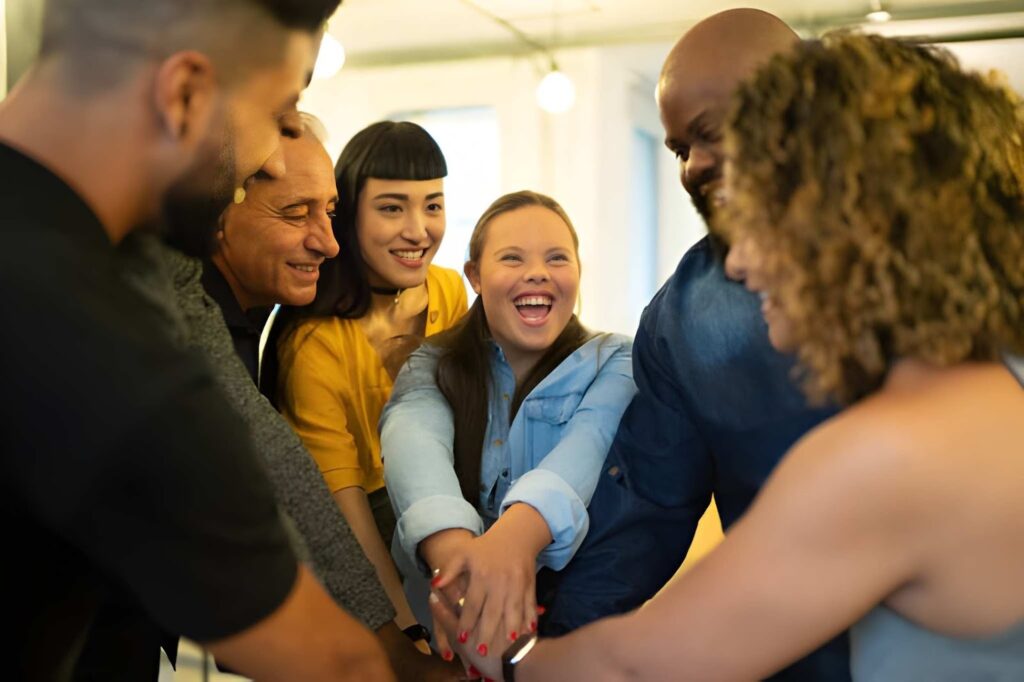
Do you know how the NDIS actually helps people participate, build friendships, and feel like they really belong?
Feeling included in your community is more than simply going out or attending events. True inclusion means feeling welcomed, respected, and valued, no matter your abilities. For people living with disabilities, barriers like accessibility issues, low confidence, or limited support can make this harder. The NDIS helps by offering local opportunities and supports that promote real inclusion, independence, and connection with the community.
In this post, we will discuss how the NDIS can assist people to connect and interact, grow relationships, and how the NDIS community Inclusion plays a powerful role in improving quality of life.
What Does Community Inclusion Really Mean?
Community inclusion means being able to participate in local activities, feeling included in public spaces, learning new things, making friends, having a say in what happens in our lives, and having opportunities to grow in our own way. Community inclusion means that people with disabilities are also part of this community, having our own goals, dreams, and talents. It does not define us solely by our disability. Through NDIS community Inclusion, participants get support that encourages real participation instead of isolation.
How the NDIS Supports Community Inclusion
NDIS focuses on building a person’s ability to connect, socialize, and participate. It looks at:
- What the participant wants to achieve
- What barriers are stopping them
- What type of support can help remove those barriers
Then, support is planned around their goals.
1. Support to Join Social and Community Activities
Many participants want to spend time outside the home, go to classes, attend events, volunteer, or join clubs. The NDIS helps with supports related to NDIS social and community participation, such as learning to use public transport, joining sports clubs or fitness classes, and attending social groups. These opportunities help build independence and social skills. And when needed, support workers can go along to help, making the experience safe and comfortable.
2. Building Life Skills for Independence
Inclusion in society also involves being able to handle life. This is because through the NDIS, individuals are able to acquire skills that include budgeting, shopping, meal preparation, time management, personal organization, and communication and problem-solving. Once individuals develop these skills, they become confident enough to move around without being limited by society. In other words, instead of depending on others for all aspects of their needs, an individual feels empowered to make decisions about their own life.
3. Encouraging Inclusive Spaces
True inclusion does not occur simply because there are supports in place. True inclusion occurs when everyone finds welcoming communities. As part of Community Inclusion through NDIS, providers can work to build activities to bring everyone together, no matter what ability each one has. Activities range from sports, community gardening, art activities, fitness classes, and community meet-ups. These inclusive activities bring people together, no matter their abilities. By doing this, it removes barriers that can lead to stigma, as people from all walks of life can connect with each other.
4. Access to Disability Support When Needed
For many participants, confidence grows when the right help is available. NDIS can provide disability support such as mobility aids, assistive technology, therapy services, and personal care assistance. With the right equipment and guidance, people can participate more safely and more comfortably. Instead of staying home because things feel hard or unsafe, they gain the support needed to step out and live more fully.
5. Connecting With Local Community Programs
The NDIS works closely with local organisations that run Community programs such as clubs, workshops, volunteering groups, and learning centers.
These programs offer social connection, skill development, purpose, routine, and a sense of belonging. For someone who has felt isolated, attending even one weekly program can make a big emotional difference.
Personal Choice and Control: A Big Part of Inclusion
One of the strongest parts of the NDIS community is choice and control. They make their own decisions about what they want, who is going to support them, how, and when they will be involved. This is powerful, as inclusion should be a choice, not an imposition. ‘This is my life, these are my goals, here is how I choose to participate.’ This is how inclusion leads to self-respect and self-esteem.
How Funding Supports Inclusion
Many people worry about cost. NDIS helps by supporting the goals people set in their plan. Sometimes participants may also receive supports linked to NDIS. Funding, depending on their needs and eligibility. This can reduce financial barriers and open doors to experiences they may otherwise miss.
Barriers Still Exist — But NDIS Helps Break Them
Even with strong systems in place, barriers can persist, such as transport issues, communication challenges, inaccessible venues, fear of judgment, low confidence, and limited community awareness. The NDIS works to overcome these barriers by funding supports, promoting inclusive services, and ensuring participants’ voices are valued and heard on an equal basis.
How Inclusion Connects to Long-Term Well-being
Long-term involvement in community activities leads to healthier results in nearly all spheres of life. Those who participate with their community on a regular basis are more inclined to have good emotional health, higher cognitive function, a greater level of friendships, independence, and purpose in life. Such benefits therefore reflect that social inclusion and involvement do not only support daily lives but also create significant wellbeing and enhanced quality of life. This is why initiatives promoting NDIS community Inclusion are not optional; they are essential.
Final Thoughts
NDIS is not just a system; it is a pathway toward belonging, dignity, and opportunity. Through its flexible supports and thoughtful planning, the NDIS helps people with disabilities become participants in life, not spectators, and active members of their communities. By providing opportunities for learning, recreation, volunteering, and socializing, the NDIS creates environments where participants feel pride, capability, and true inclusion. Hyre Coordination helps participants choose the right activities, connect with providers, and build confidence step by step.